
Admin Wizard for Magento® 2.x

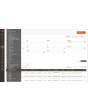
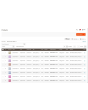
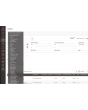


Admin Wizard gives the people who run your store the tools the Adobe Commerce (Magento) admin does not ship with: rule-based search on the grids you work in every day, shortcuts to the pages you open constantly, and a straight answer to what is installed, what is configured where, and what the background jobs are doing.
Finding an order by what is inside it, checking a setting across every store view, seeing which extensions have an update waiting, telling whether cron ran at all — each of these normally means an export, a scope switch, or a message to a developer. Admin Wizard answers them from the admin panel.
Every tool has its own access right, so a role can be given the grids without the diagnostics, or the other way round.
Features
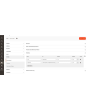
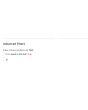
Advanced filters for orders, invoices, shipments, credit memos and products
Filtering works the way a cart price rule works: add a condition, choose the attribute, the operator and the value, and combine conditions with ALL or ANY. The conditions are not limited to the columns of the grid.
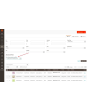
On the sales grids they cover totals, quantity and weight, the shipping method, the full billing and shipping address, customer name, email and group, payment method, status and store — plus a product attribute combination, which matches an order by what it contains. “Orders above a value that contain a product of this brand, shipped to this country” is one query rather than an export and a spreadsheet.
A query you build often can be saved as a preset and reapplied in a click. Each grid is switched on separately, and the standard Magento filters can be left in place or hidden once the advanced ones are there.
Dashboard
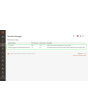
One page listing every tool in the extension and whether it is enabled, with a link into each. A practical landing page after login, and the fastest way to see how the extension is set up on an installation you have not touched before.
Hotlinks
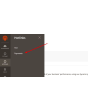
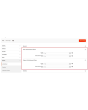
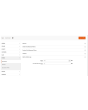
Quick access to the admin pages you use constantly — Sales → Payment Methods, a specific configuration section, a grid you live in. Add them by title and URL, order them, switch individual ones off; they appear in the admin sidebar for everyone.
Auto hotlinks do the same without being told: the extension counts the pages each admin user visits and offers that person their own most visited ones, up to a limit you set.
Information about installed extensions
Every installed third-party package with its current version, the latest published one and whether an update is available. No SSH session and no composer command to answer “are we behind on anything”.
Environment info
The Adobe Commerce (Magento) version, edition and mode; the PHP version, its memory and upload limits and the loaded extensions; database size and table count; whether Redis and the search engine are up and answering; and how much disk the log, cache, media, static and generated folders take. The page a support request usually starts by asking for.
Cron monitor
Every job the installation declares, with its group, schedule expression, last status, last run and duration, plus its run history. Jobs can be run on the spot from the grid. A job that has never run at all is stated plainly — usually the quickest way to find that cron is not running as the right user.
Config diff
Every configuration path that a website or store view overrides, with the scope, the value in force there and the default it departs from. After a configuration import or a migration this is the list of everything that is not standard, on one screen.
Multistore Configuration
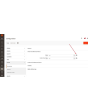
Inside the configuration, a managed field shows a small icon next to the input. Click it and you see that field’s value on every store in the installation — no scope switching, no clicking through websites one at a time. For anyone running more than one store this saves hours.
Plugin and preference viewer
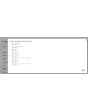
Which plugins intercept a class, in what sort order and on which methods, searchable by target class, plugin class or module; and which concrete class every interface resolves to. A filter shows only the methods more than one plugin touches — which is where conflicts between extensions live.
Admin sessions
Every admin session with its user, IP address, status, start time and last activity, and a Force Logout action that ends one immediately: the next request from that browser lands on the login screen.
Index management
The native Index Management grid gains a backlog count and the last error per indexer, and a detail page with run history, dependencies and two controls. Pause stops an indexer’s scheduled updates entirely; Throttle limits them to one pass every so many minutes. Both are meant for a bulk import or a data migration — pause what does not need to keep up, reindex once at the end. A manual reindex always runs, whatever the gate says.
Category Grid
The category tree as a flat grid: sortable, filterable, with the path, level, status, position and a live product count. Find the categories with no products, re-enable a batch that was disabled by mistake, edit a name inline. If you have many categories, the difference against the tree view is immediate.
Save database tables when removing extensions
When a module is disabled, Adobe Commerce (Magento) drops its tables on the next upgrade. Admin Wizard suppresses that, so a module switched off for an afternoon does not take its data with it. Tables are removed only when a module asks for it explicitly through its own data patches.
Enable/disable two-factor authentication from the admin panel
Two-factor authentication can be bypassed from the configuration, separately for the admin login and for API token generation, with the option to keep the bypass out of developer mode. Meant for a load test, a restored copy of production, or an installation already behind an identity provider that enforces MFA — not for a public store without something else doing that job.
Logs Manager Pro
The Logs Manager Pro module is now fully integrated into the Admin Wizard module. By purchasing the Admin Wizard module, you get all the features of the Logs Manager Pro module for free.
More information about the capabilities of the Logs Manager Pro module can be found here.
Backup Manager Pro
The Backup Manager Pro module is now fully integrated into the Admin Wizard module. By purchasing the Admin Wizard module, you get all the features of the Backup Manager Pro module for free.
More information about the capabilities of the Backup Manager Pro module can be found here.
Demo
You can try this extension for 30 days. Ask for the demo on this page with Request demo; how it works is explained on Try an extension for 30 days.
| CMS | Magento 2 |
|---|---|
| Compatibility | 2.4, 2.3 |
| Features |
|
The extension is installed with Composer. Which repository you add depends on where you bought it — the install itself is the same either way.
1. Connect the repository
Bought on extmag.com. Your account page shows the repository address and your personal credentials, together with the two composer config commands to paste. Run them once per project; every extension you own is then available from the same repository.
Bought on the Adobe Commerce Marketplace. The package is served from repo.magento.com, which most stores already have configured. If not, add the access keys from your Adobe account under My Profile -> Access Keys.
2. Install the extension
Run in the project root:
composer require extmag/improver
php bin/magento setup:upgrade
php bin/magento cache:flush
Composer resolves the shared Extmag packages the extension depends on, so there is nothing else to require by hand.
Log out and log back into the admin, and the extension is ready.
Cloud storage
Dropbox and Google Drive support comes with the extension. OneDrive needs one additional package:
composer require krizalys/onedrive-php-sdk
Trying it before you buy
You can ask for a 30-day demo of this extension and install it exactly as above — same package, same repository, same commands. How demos work.
Installing without Composer
The archive can be unpacked into app/code/Extmag/ instead, but that leaves the extension outside dependency management: its shared packages have to be installed by hand and updates never reach it. Use Composer for any store you run, demo included.
For any question about the installation, please contact our technical support.
-
User Guide User Guide.pdf · 1.3 MBDownload
-
Reference Manual Reference Manual.pdf · 356.2 KBDownload
-
Installation Guide Installation Guide.pdf · 230.0 KBDownload
AdminWizard adds a set of tools to the Adobe Commerce (Magento) admin under the Extmag menu. Most of them work the moment the extension is installed; what needs setting up is which grids get the advanced filters, which shortcuts appear in the sidebar, and whether the two-factor bypass is used.
Dashboard
- Go to Admin Main Menu -> Extmag -> AdminWizard -> Dashboard.
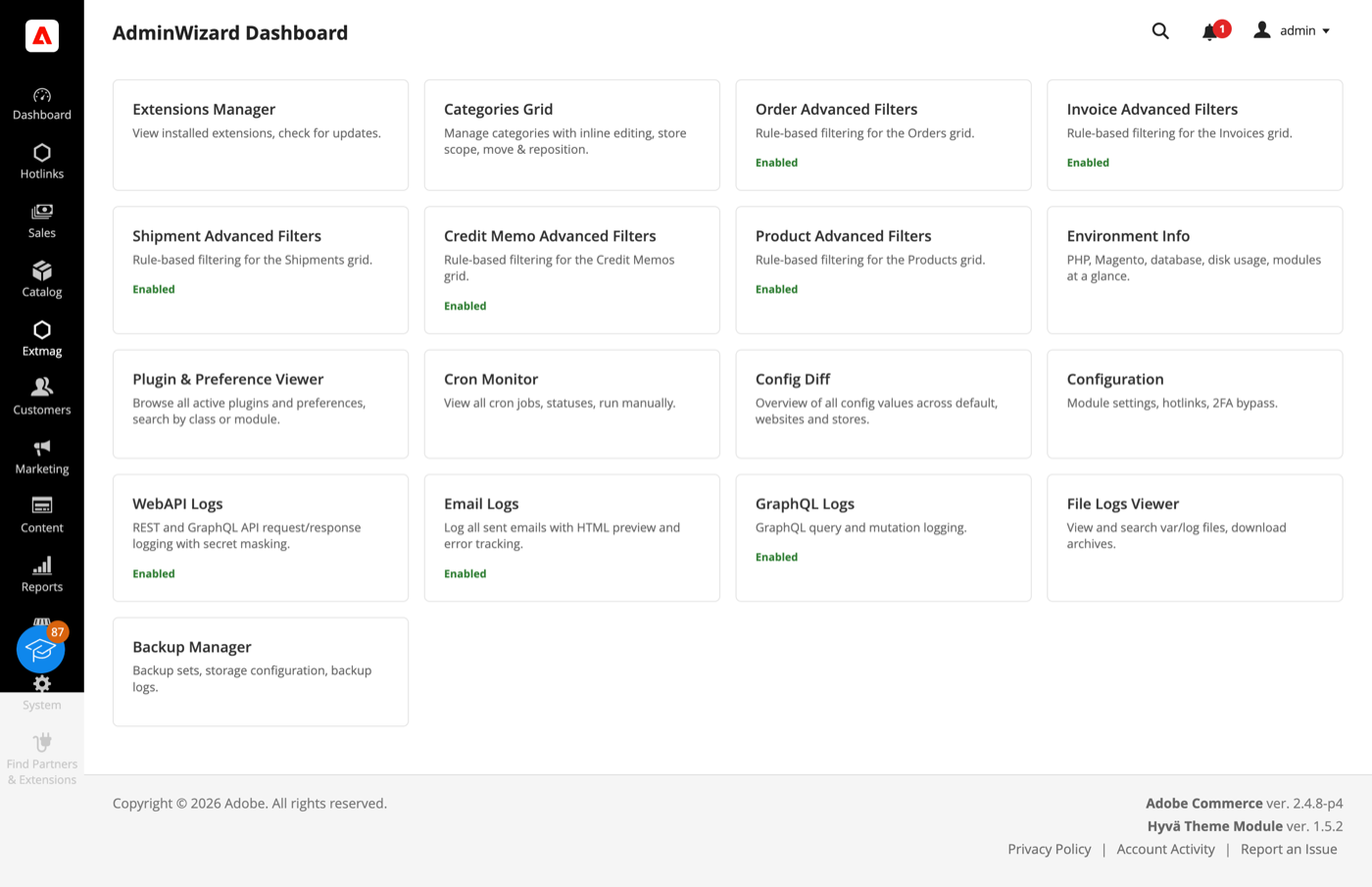
- Every tool is a card: the ones that are switched on say so, and each one opens its own page. It is a useful landing page after login — the state of the extension and the way into all of it on one screen.
The dashboard also lists the tools that come from Logs Manager Pro and Backup Manager Pro. Both are bundled with AdminWizard at no extra cost, so their cards are live rather than an advertisement.
Advanced Filters for grids
- Open Sales -> Orders (or Invoices, Shipments, Credit Memos, or Catalog -> Products) and click the “Advanced Filters” button next to the standard Filters.
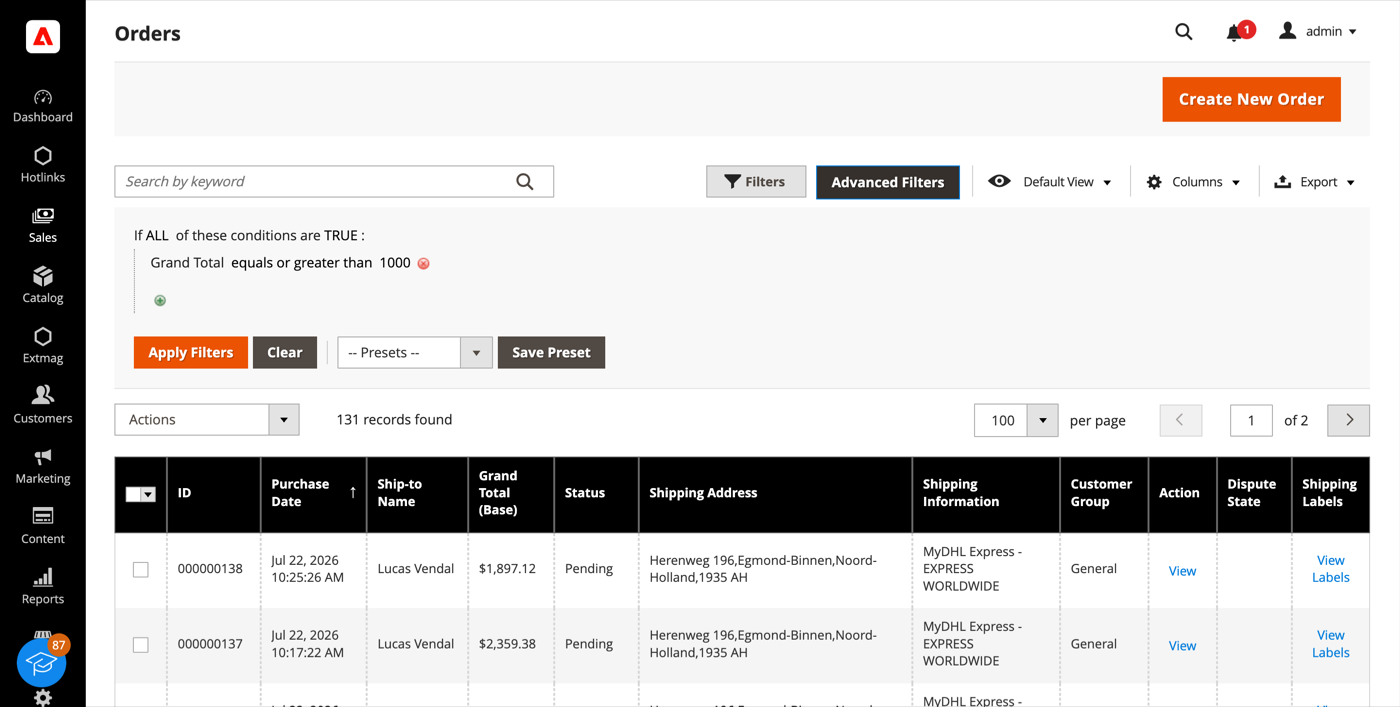
- Build the query the way a cart price rule is built: add a condition, choose the attribute, the operator and the value, and combine conditions with ALL / ANY.
- Click “Apply Filters”. The grid reloads showing only the matching rows.
- Click “Save Preset” to keep a query you use often; it appears in the Presets list and is one click away next time.
The condition list is not limited to the columns of the grid. On the sales grids it covers totals, quantities, weight, shipping method, the full billing and shipping address, customer name, email and group, payment method, order status and store, plus a Product attribute combination condition that matches an order by what is inside it — “orders containing a product of this brand above this price” is a single condition, not an export and a spreadsheet.
Extensions List and Environment Info
- Go to Admin Main Menu -> Extmag -> AdminWizard -> Extensions List.
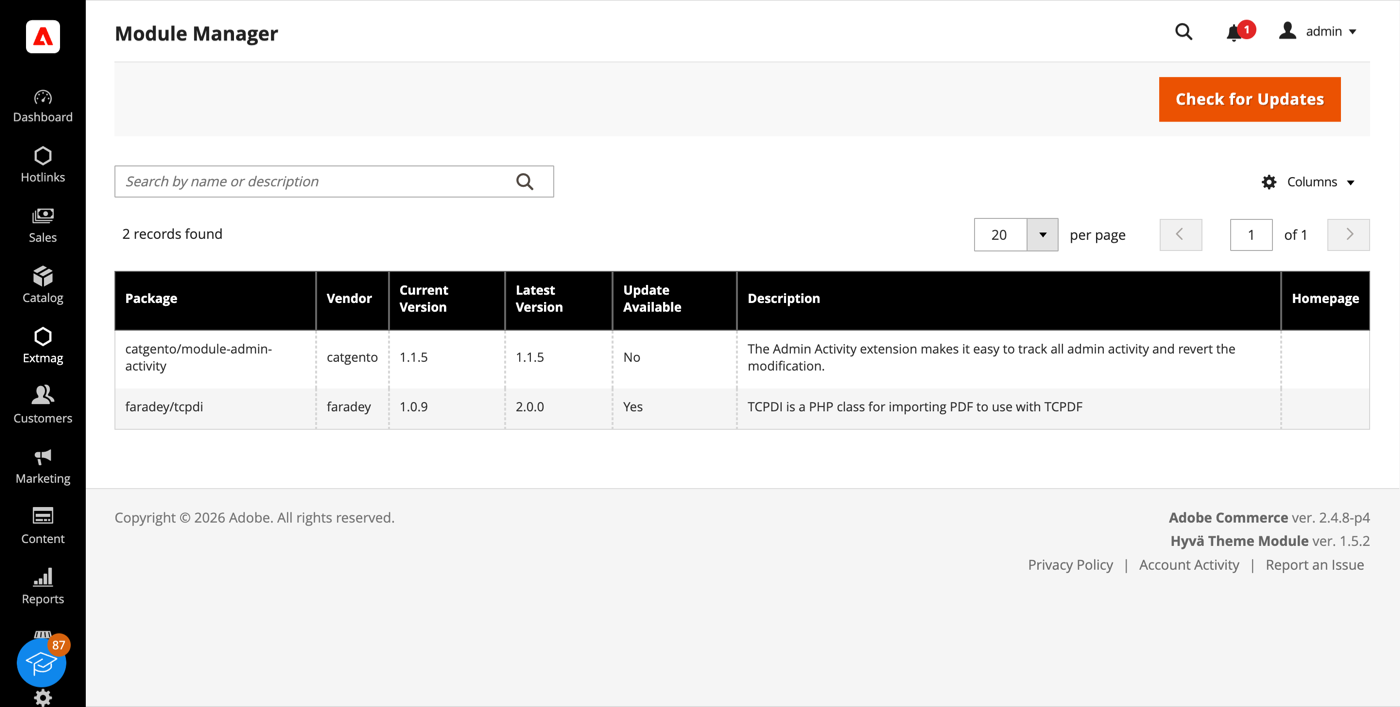
- Click “Check for Updates”. The grid shows every installed third-party package with its current version, the latest published one and whether an update exists.
- Go to Environment Info in the same menu for the rest of the picture: Magento version, edition and mode, the PHP version and its limits, which extensions are loaded, database size and table count, the state of Redis and the search engine, and how much disk the log, cache, media, static and generated folders take.
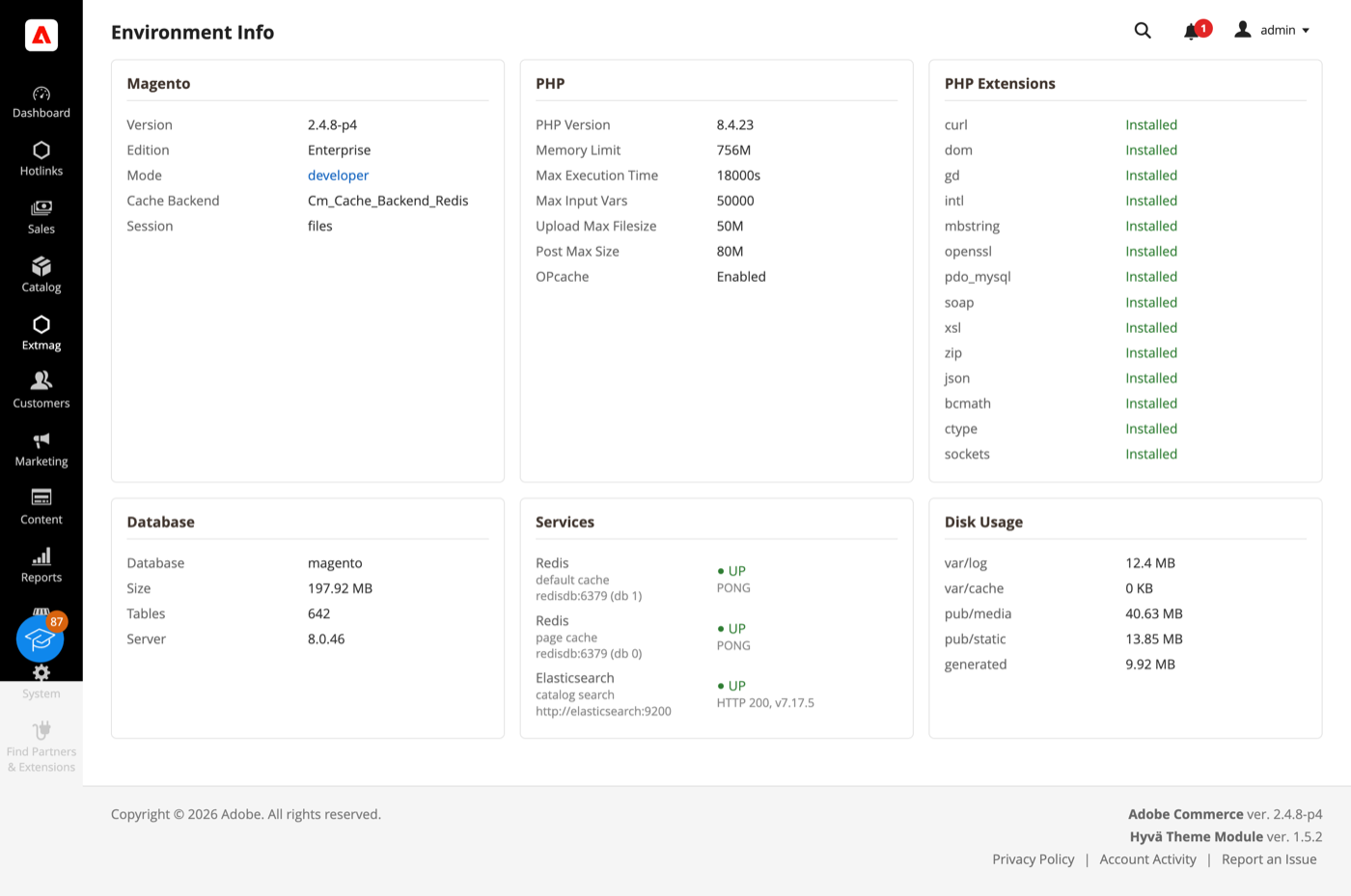
Both pages answer the questions a support request usually starts with, without an SSH session.
Cron Monitor
- Go to Admin Main Menu -> Extmag -> AdminWizard -> Cron Monitor.
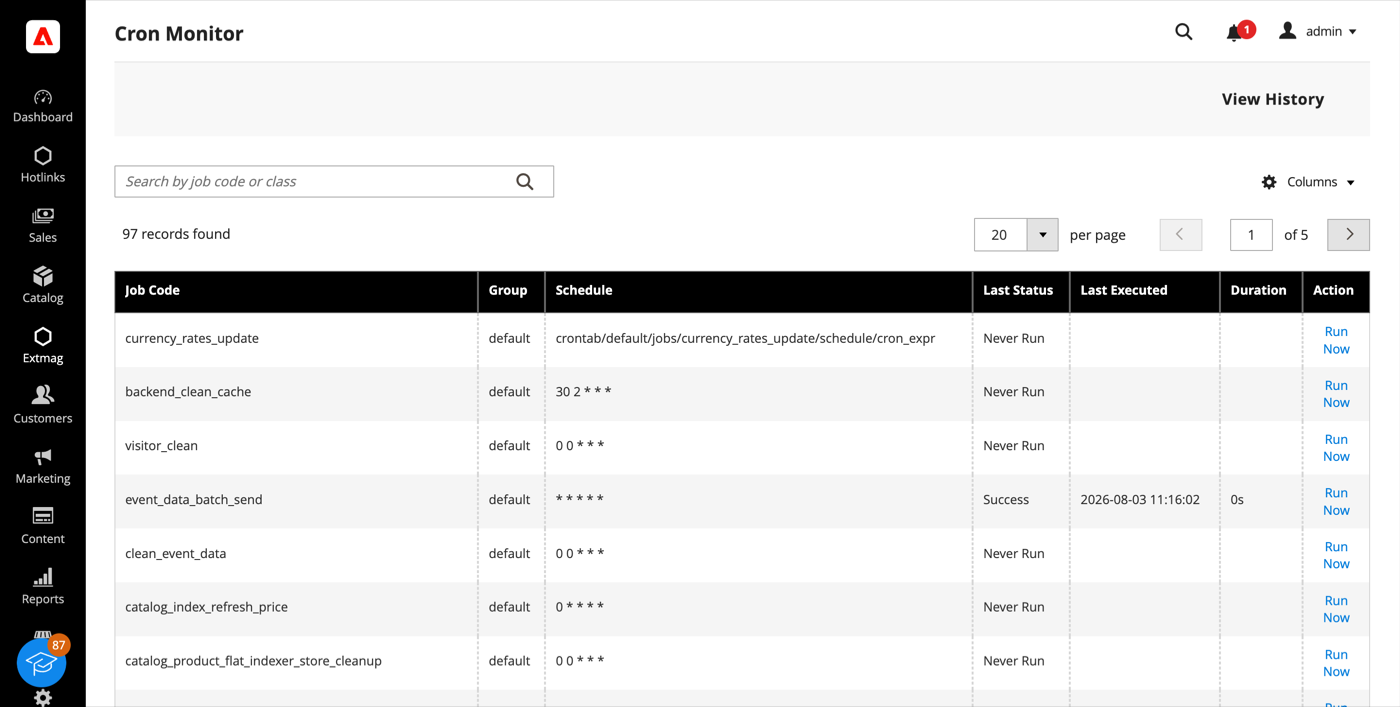
- The grid lists every job the installation declares — its group, its schedule expression, the last status, when it last ran and how long it took.
- “Run Now” executes a single job on the spot; “View History” shows its past runs. A job that has never run at all is stated plainly, which is usually the fastest way to find that cron is not running as the right user.
Config Diff
- Go to Admin Main Menu -> Extmag -> AdminWizard -> Config Diff.
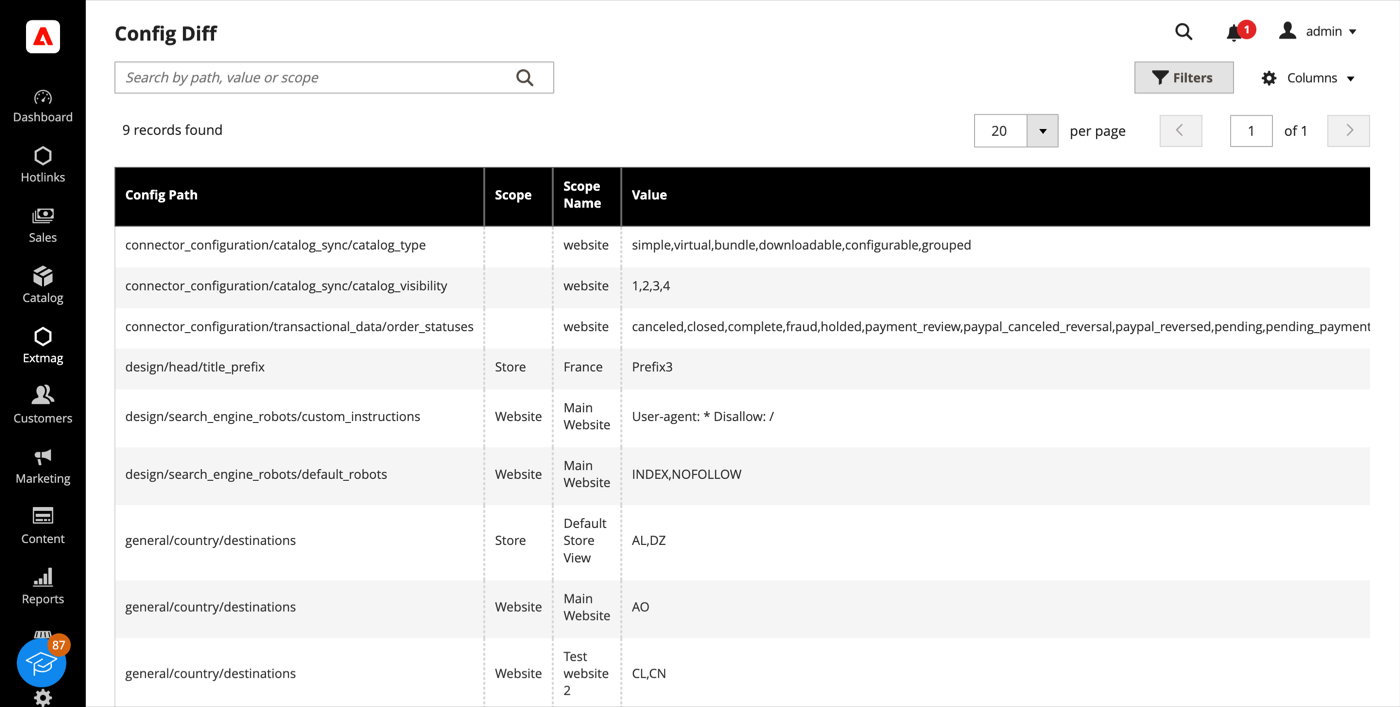
- The grid lists every configuration path that a website or store view overrides, with the scope, the value in force there and the default it departs from.
The same information is available field by field elsewhere in the admin: an AdminWizard-managed field shows a gear icon next to the input, and clicking it lists that field’s value on every store without switching scope.
Plugin & Preference Viewer
- Go to Admin Main Menu -> Extmag -> AdminWizard -> Plugin & Preference Viewer.
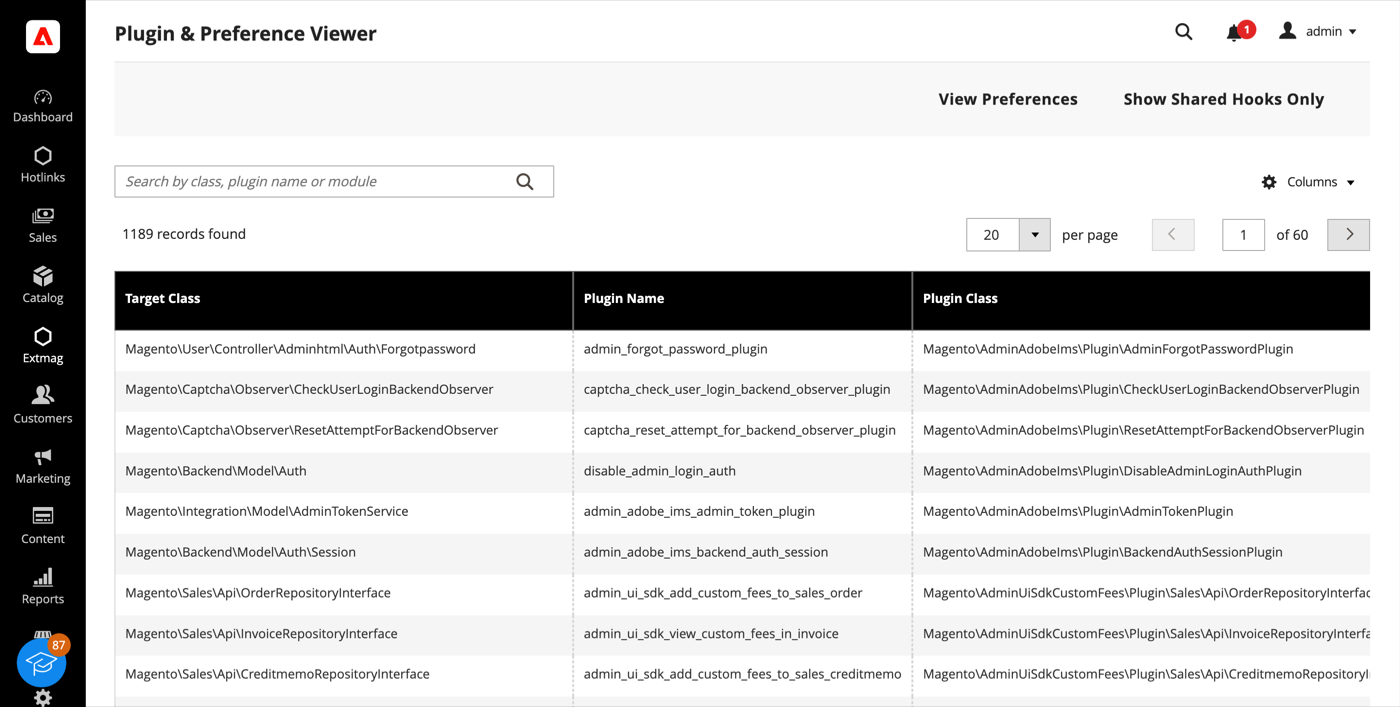
- Search by target class, plugin class or module to see every plugin that intercepts a class, in sort order, with the methods it hooks. “View Preferences” switches to the preference list — which concrete class every interface resolves to.
- “Show Shared Hooks Only” narrows the list to methods more than one plugin touches, which is where conflicts between extensions live.
Admin Sessions and Categories Grid
- Admin Sessions (Extmag -> AdminWizard -> Admin Sessions) lists every admin session with its user, IP, status, start time and last activity. A per-row Force Logout ends a session immediately — the next request from that browser lands on the login screen.
- Categories Grid (Catalog -> Inventory -> Categories Grid) shows the category tree as a flat, sortable, filterable grid with the path, level, status, position and live product count. Filtering by an empty product count or mass-enabling a batch of categories takes seconds, where the tree view takes a lot of clicking.
Index Management
The native System -> Tools -> Index Management grid gains a backlog count and the last error per indexer, and a detail page with run history, dependencies and two controls: Pause stops an indexer’s scheduled updates entirely, and Throttle limits them to one pass every so many minutes. Both are meant for a bulk import or a migration — pause what does not need to keep up, reindex once at the end. A manual reindex always runs, whatever the gate says.
Configuration
- Go to Admin Main Menu -> Extmag -> AdminWizard -> Configuration.
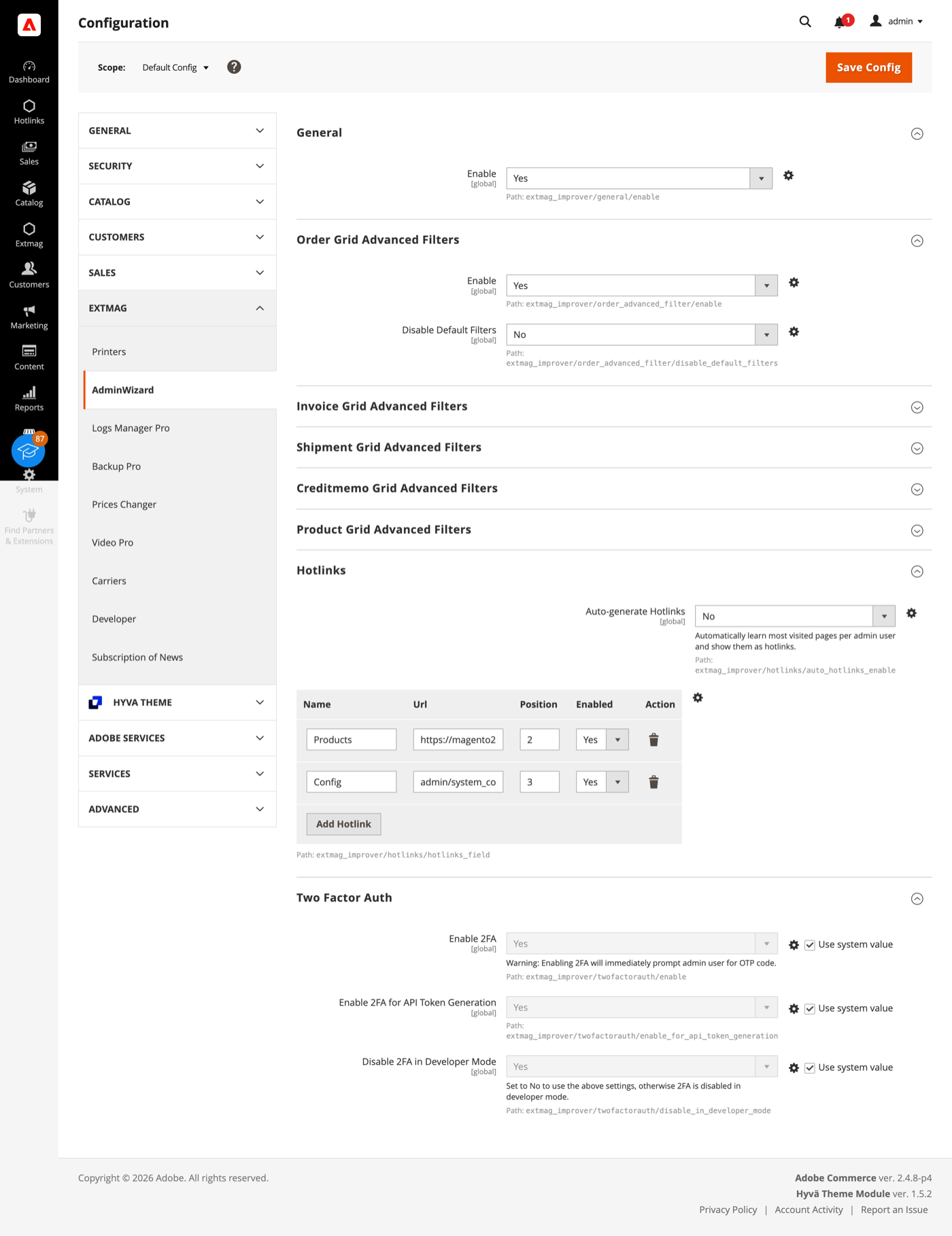
- Work through the groups, filling in what applies to your store.
The groups cover:
- General — the master switch for the extension.
- Order, Invoice, Shipment, Credit Memo and Product Grid Advanced Filters — one group per grid: whether the advanced filters appear there, and whether the standard Magento filters are hidden once they do.
- Hotlinks — a table of shortcuts (title plus URL, ordered and individually switchable) that render as a Hotlinks item in the admin sidebar for everyone. Switch on Auto-generate Hotlinks and each operator also gets their own most-visited pages, capped at the number you set.
- Two Factor Auth — whether Magento’s two-factor authentication is bypassed, separately for the admin login and for API token generation, with the option to keep the bypass out of developer mode.
Two-factor authentication is a security control. Turn the bypass on for a load test, a restored copy of production, or an installation already behind an identity provider that enforces MFA — not on a public production store without something else doing that job.
One more thing works without configuration: when a module is disabled, Adobe Commerce (Magento) drops its database tables on the next setup:upgrade. AdminWizard suppresses that, so disabling a module temporarily does not destroy its data. It is on by default.
The full field-by-field reference, including the exact configuration paths and the ACL resources behind each page, is in the Reference Manual supplied with the extension.
1.4.7
Use injected $escaper instead of $block->escape*() in admin templates. Bind reload link via JS to comply with CSP restrict mode.
1.4.6
Fixed clearing advanced filters by iterating remove buttons and applying.
1.4.5
Added support Magento 2.4.9 and Adobe Commerce 2.4.9
1.4.4
Major refactoring: replace AdminActionLog with AdminSession, add Dashboard and new tools. Added support Magento 2.4.8-p4 and Adobe Commerce 2.4.8-p4
1.4.0
Added support Magento 2.4.7-p4 and Adobe Commerce 2.4.7-p4
1.3.9
Added support Magento 2.4.7-p3 and Adobe Commerce 2.4.7-p3
1.3.8
Added support Magento 2.4.7-p2 and Adobe Commerce 2.4.7-p2
1.3.7
Added support Magento 2.4.7-p1 and Adobe Commerce 2.4.7-p1
1.3.6
Fixed names of Google API classes. There were changing underscores to namespaces.
1.3.5
Backup Core:
Fixed Google Drive connection
Improved the frequency of the schedule
1.3.4
Added support Magento 2.4.7 and Adobe Commerce 2.4.7
1.3.3
Fixed bug with nullable variable in the method attribute
Fixed schedule frequency for the backup
1.3.2
Added support Magento 2.4.6-p4 and Adobe Commerce 2.4.6-p4
1.3.1
Removed extra button from Admin Actions Log Grid
1.3.0
A category grid has been added. Now you can manage your categories very conveniently. Now it’s convenient to filter, sort, create, edit, and delete them.
1.2.8
Added Advanced Filters for the Creditmemo Grid.
1.2.7
Added the ability to reverse admin actions. For example, you can return the saving of a configuration or product if it was done incorrectly or by mistake.
1.2.6
Added Advanced Filters for the Shipments Grid.
Added "Product Type", "Has Options", and "Required options" as filters for the Products grid.
1.2.5
Enable/disable two-factor authentication from the admin panel.
1.2.4
The Backup Manager Pro module has been integrated into the Admin Wizard module and has become part of it.
To check the correct connection to Cloud Storages, Test Connection buttons for Microsoft OneDrive, Google Drive, and Dropbox were added.
1.2.3
Fixed a bug with the Google Drive connection
1.2.2
The Logs Manager Pro module has been integrated into the Admin Wizard module and has become part of it.
To check the correct connection to Cloud Storages, Test Connection buttons for Microsoft OneDrive, Google Drive, and Dropbox were added.
1.2.1
Added support Magento 2.4.6-p2 and Adobe Commerce 2.4.6-p2
1.2.0
Implementation advanced filters for invoices.
Add translations.
1.1.0
Added support Adobe Commerce 2.4.6-p1
1.0.0
Added the new version 1.0.0


